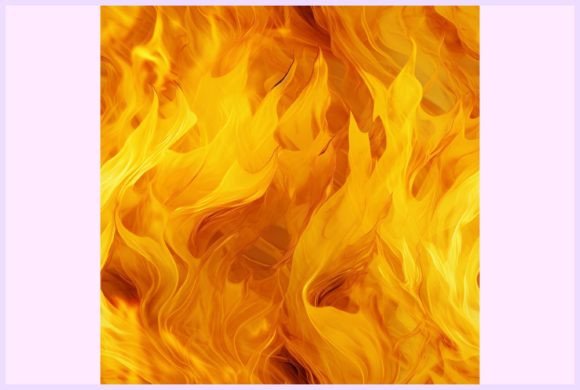
Fire Texture Seamless Pattern
There is something undeniably magnetic about the visual language of fire. It represents energy, transformation, and raw power, making it one of the most sought-after themes in design. When you introduce a Fire Texture Seamless Pattern into your workflow, you aren’t just adding color; you are injecting intensity and movement into static designs. Whether you are a digital artist looking for background assets or a small business owner creating physical merchandise, this specific type of pattern offers a versatile foundation that bridges the gap between digital creativity and tangible products.
The beauty of a seamless pattern lies in its continuity. Unlike a standard image that ends abruptly, a seamless tile repeats infinitely without visible breaks. This feature transforms a simple graphic into an all-over print, a dynamic web backdrop, or a wrapping paper design that feels organic rather than artificial. With high-resolution specifications—specifically 2400×2400 pixels at 300 DPI—the texture retains its crispness even when scaled up, ensuring that the intricate details of the flames remain sharp and vivid across various mediums.
From Digital Screens to Physical Goods
The versatility of this asset extends far beyond simple desktop wallpapers. Because the file is provided in RGB color mode with high resolution, it serves as a robust starting point for both screen-based and print-based projects. For designers working in the digital space, the pattern is ideal for creating immersive social media graphics. Imagine a promotional post for a fitness brand, a gaming channel intro, or a bold header for a lifestyle blog. The repetitive nature of the fire texture creates a sense of endless motion, drawing the viewer’s eye and keeping them engaged with the content.
However, the true potential of this pattern shines in the realm of Print on Demand (POD) and physical crafting. In the POD industry, where margins are tight and uniqueness is key, having access to high-quality, seamlessly tileable textures can set a product line apart. Designers can apply this fire texture to t-shirts, hoodies, phone cases, and tote bags. Because the pattern is designed to repeat flawlessly, manufacturers can print large quantities without worrying about awkward cuts or misaligned edges. This makes it particularly effective for all-over print garments, where the fabric itself becomes part of the canvas.
For crafters and hobbyists, the applications are equally exciting. Sublimation printing relies heavily on high-resolution images that can withstand heat and pressure without losing detail. A 300 DPI fire texture is perfectly suited for sublimating onto mugs, ceramic tiles, and polyester fabrics. Scrapbookers can use the pattern to create dramatic backgrounds for memory-keeping pages, perhaps themed around adventure, passion, or intense life events. Stickers and decals also benefit from the clean lines and vibrant colors that a high-quality JPG provides, allowing for easy cutting and application on laptops, water bottles, and notebooks.
Creative Industries and Specific Use Cases
Different industries find unique value in the same asset. In the textile sector, fashion designers might incorporate this fire pattern into streetwear collections, using it to evoke feelings of rebellion or summer heat. The seamless nature allows for efficient yardage usage, reducing waste during the cutting process. Similarly, interior decorators might use the pattern for digital wallpaper concepts, creating accent walls that bring warmth and drama to a room. While actual flame patterns can be overwhelming in large doses, used strategically as a border, a throw pillow cover, or a curtain panel, they add a sophisticated touch of edginess.
Graphic designers working on branding for restaurants, bars, or entertainment venues often turn to fire textures to convey atmosphere. A menu design, a poster for a concert, or a banner for a festival can utilize the pattern to set the mood before the customer even enters the space. The texture adds depth and richness that flat colors cannot achieve, giving the design a tactile quality even on a two-dimensional screen.
In the world of stationery and office supplies, this pattern offers a striking contrast to traditional corporate aesthetics. Notebook covers, planners, and business card sleeves featuring a subtle fire texture can stand out in a stack of plain items. For DIY enthusiasts, decoupage projects become more dynamic with the addition of such a vibrant pattern. By applying cut-out pieces of the pattern to furniture, boxes, or frames, creators can achieve a professional-looking finish with minimal effort.
Technical Considerations for Best Results
While the asset is ready-to-use, understanding its technical specifications ensures the best outcome. The file is provided as a high-resolution JPG, which is widely compatible but lacks the transparency of PNG files. This means that if you need the fire pattern to overlay another image without a solid background, you may need to remove the white or black background in your editing software first. However, for full-coverage prints like wrapping paper or fabric, the JPG format is efficient and produces smaller file sizes without significant loss in quality.
Color management is another critical factor. Since the pattern is in RGB color mode, it is optimized for digital displays. If you are planning to print the pattern physically, especially in large formats, it is advisable to convert the file to CMYK color mode in your design software. This conversion helps predict how the bright oranges, reds, and yellows will translate to ink, preventing unexpected shifts in hue. Always perform a test print on a small section of your material to check for color accuracy and resolution clarity before committing to a full production run.
When scaling the pattern, remember that while 2400×2400 pixels is high resolution, extreme enlargement can still lead to pixelation if not handled correctly. Most modern design programs handle vector-like scaling well with raster images, but it is best practice to keep the pattern at its intended size or scale down rather than up. For web graphics, compressing the image slightly to reduce load times without compromising visual integrity is a good practice, though the original high-res version should always be saved for future print needs.
Why Choose a Seamless Fire Texture?
The primary advantage of choosing a seamless pattern over a single image is efficiency and consistency. You do not need to manually align edges or worry about gaps appearing when the design is repeated. This saves valuable time for freelancers and agencies who work under tight deadlines. Furthermore, the repetitive nature of the pattern creates a cohesive look that feels intentional and polished. It elevates simple designs by adding a layer of complexity and visual interest that captures attention.
Additionally, the broad range of applications means that a single purchase can serve multiple purposes. A designer might buy the pattern once and use it for a website background, a series of Instagram stories, a printed flyer, and a custom packaging design. This multi-functionality offers excellent value, maximizing the return on investment for your creative resources. Whether you are aiming for a fiery aesthetic for a Halloween campaign, a summer sale, or a year-round edgy brand identity, this pattern provides the flexibility to adapt to various seasonal and thematic needs.
Ultimately, the decision to use a Fire Texture Seamless Pattern comes down to the desire for impact. In a crowded digital and physical marketplace, standing out requires bold choices. This pattern offers a powerful tool to help your designs burn bright, capturing imagination and driving engagement. By leveraging its high resolution, seamless tiling, and versatile color profile, you can unlock new levels of creativity in your projects, transforming ordinary surfaces into extraordinary experiences.