Red and White Polka Dots
In a digital landscape saturated with minimalist gradients and abstract geometric noise, Red and White Polka Dots offer a distinct strategic advantage: immediate recognition. These classic and vibrant designs exude timeless charm, bridging the gap between nostalgic appeal and modern visual communication. For entrepreneurs, marketers, and creators, leveraging this pattern is not merely an aesthetic choice; it is a tactical decision to inject energy, clarity, and brand personality into digital assets.
The playful dots create lively seamless patterns that serve as more than just decorative elements. They function as visual anchors in social media feeds, structural foundations for digital scrapbooking, and high-impact backdrops for merchandise design. When integrated thoughtfully, these patterns support broader goals of positioning, communication, and customer experience by providing a consistent, recognizable visual language across platforms.
Strategic Visual Positioning Through Pattern
Visual consistency is a cornerstone of effective branding. The human brain processes images significantly faster than text, making background textures critical for establishing tone before a user even reads a headline. Red and white polka dot designs are inherently energetic and optimistic. This psychological association makes them particularly useful for brands aiming to convey friendliness, creativity, or playfulness without resorting to clichés.
However, the utility of this pattern extends beyond simple decoration. In marketing operations, having a library of pre-designed, high-resolution backgrounds reduces production time. Instead of commissioning custom illustrations for every campaign, professionals can utilize these seamless patterns to maintain a cohesive look while varying other elements like typography or product photography. This approach supports productivity by streamlining the design workflow, allowing teams to focus on message strategy rather than pixel-pushing.
Furthermore, the contrast inherent in red and white ensures legibility. Whether used for Instagram stories, YouTube thumbnails, or blog headers, the strong contrast helps foreground content stand out. This is crucial for capturing attention in crowded digital environments where scroll velocity is high. By using Red and White Polka Dots as a controlled backdrop, designers can guide the viewer’s eye toward calls-to-action (CTAs) or key information points, thereby improving conversion rates and engagement metrics.
Technical Specifications and Workflow Integration
For professionals who value precision and quality, the technical specifications of digital assets directly impact the final output. A common pitfall in digital design is using low-resolution graphics that appear pixelated when scaled, damaging brand credibility. The inclusion of 3600 x 3600 pixels at 300 dpi resolution in these files addresses this concern. This high resolution ensures that whether the asset is printed on a large-format banner or displayed on a retina screen, the edges remain crisp and the colors vibrant.
- Resolution Standards: At 300 dpi, these files meet industry standards for both high-quality print sublimation and sharp digital display. This dual capability eliminates the need for separate file versions for web and print campaigns.
- Format Versatility: The provision of both PNG and JPG formats offers flexibility based on specific project needs. PNG files preserve transparency if needed for layered compositing, while JPG files offer smaller file sizes for faster loading times on websites and social media platforms.
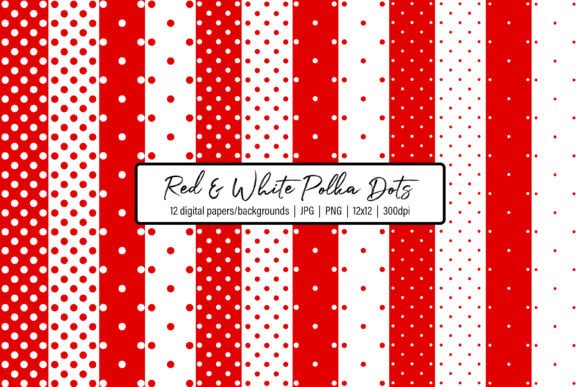
- Seamless Tiling: The seamless nature of the 12 included designs allows for infinite repetition. This is particularly valuable for e-commerce backgrounds, website headers, or fabric printing for merchandise, where gaps or breaks in the pattern would disrupt the visual flow.
Understanding these technical details allows decision-makers to select the right tool for the job. For instance, a freelancer creating a custom t-shirt line might prioritize the PNG format for precise layering with vector logos, while a blogger designing featured images might opt for JPGs to ensure quick page load speeds. Having access to 12 unique variations within the same thematic family provides enough diversity to keep content fresh without requiring a complete rebranding effort.
Application Across Digital and Physical Media
The versatility of Red and White Polka Dots lies in its adaptability across different mediums. In the realm of social media, these patterns can be used to create branded templates. Consistent use of a specific polka dot variant can become a signature element of a creator’s profile, aiding in audience recall. For example, a small business owner selling handmade goods might use one variation for product shots and another for behind-the-scenes content, creating a structured yet dynamic feed.
In digital scrapbooking and personal creative projects, these designs offer a retro flair that resonates with current trends. The "retro" aesthetic has seen a resurgence in popularity, driven by a desire for authenticity and warmth in digital interactions. By incorporating these patterns, hobbyists and educators can create materials that feel inviting and accessible. Educational resources, such as worksheets or presentation slides, benefit from the non-distracting yet engaging nature of well-balanced polka dots.
For sublimation and merchandise, the 12x12 inch size at 3600 pixels provides ample detail for close-up inspection. Customers often scrutinize product quality through online images; high-fidelity patterns signal attention to detail and professionalism. Whether applied to mugs, phone cases, or apparel, the vibrant red against the clean white creates a pop of color that stands out in physical retail environments as well as online marketplaces.
Risks and Considerations in Design Strategy
While powerful, no design element is universally appropriate. Using Red and White Polka Dots without clear strategic intent can lead to visual clutter or misalignment with brand values. The primary risk lies in over-saturation. If the pattern is too dense or the red is too intense, it can overwhelm the viewer, making text difficult to read and reducing the effectiveness of the core message.
Decision-makers must consider context. A law firm or a healthcare provider might find this pattern too casual for official communications, whereas a children’s clothing brand or a party supply store would find it highly aligned with their identity. Before relying on these assets, evaluate your target audience’s expectations. Does your brand voice align with the playful, retro connotation of polka dots? If not, consider using these patterns sparingly—for instance, as accent borders or subtle watermarks—rather than as dominant backgrounds.
Another consideration is accessibility. Ensure sufficient contrast between the pattern and any overlaid text. Automated tools should be used to check color contrast ratios to guarantee readability for users with visual impairments. Additionally, be mindful of cultural associations. While generally positive, colors and patterns can have varying interpretations across different markets. Conducting local research before deploying global campaigns ensures that the visual language resonates positively.
Maximizing Long-Term Value Through Intentional Use
To achieve better results, treat these digital assets as part of a larger content ecosystem. Rather than using them randomly, develop a style guide that defines how each of the 12 variations is applied. Assign specific patterns to specific types of content or campaigns. This systematic approach enhances organizational efficiency and reinforces brand consistency over time.
For bloggers and publishers, integrating these backgrounds into evergreen content can improve user experience by breaking up long blocks of text and adding visual interest. For entrepreneurs, using these designs in email marketing templates can increase open rates and click-through rates by making emails visually distinctive in a crowded inbox. The key is intentionality: every design choice should serve a purpose, whether it is to attract attention, convey emotion, or facilitate navigation.
Finally, remember that graphics included for display purposes in previews are not part of the product. The value lies in the raw texture image files themselves. This allows for maximum customization. By importing these high-resolution PNGs or JPGs into your preferred design software, you retain full control over opacity, blending modes, and integration with other elements. This flexibility ensures that the final output is tailored precisely to your strategic goals, rather than being constrained by pre-made composite images.
In conclusion, Red and White Polka Dots are more than just a trendy aesthetic; they are a functional tool for enhancing visual communication. By understanding their technical capabilities, strategic applications, and potential limitations, professionals can leverage these designs to create impactful, cohesive, and memorable digital experiences. Whether for social media growth, merchandise sales, or educational content, thoughtful implementation leads to stronger branding and better long-term outcomes.