Red Poinsettia Plaid Background: Seamless Patterns for Holiday Design
The holiday season presents a unique challenge for designers, crafters, and small business owners. The market is saturated with generic red and green palettes, often leaning heavily into clichés that fail to capture the nuanced warmth of the season. This is where Red Poinsettia Plaid Background emerges as a sophisticated solution. It is not merely a pattern; it is a curated collection of digital assets designed to elevate seasonal projects from amateur crafts to professional-grade design work.
This specific design asset combines two distinct visual traditions: the organic, vibrant energy of the poinsettia flower and the structured, cozy familiarity of plaid. The result is a texture that feels both festive and grounded. For those looking to create high-quality gift wrapping, greeting cards, or digital invitations, understanding the utility and aesthetic appeal of this seamless pattern is key to standing out in a crowded marketplace.
Visual Characteristics and Aesthetic Appeal
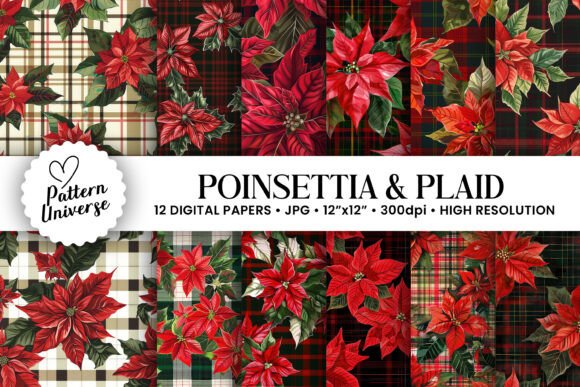
At its core, Red Poinsettia Plaid Background leverages the power of repetition and color harmony. The "plaid" element provides a geometric backbone, offering a sense of order and tradition that resonates deeply with audiences during the winter holidays. However, unlike traditional tartans which can feel rigid or corporate, this interpretation softens the lines through the integration of floral motifs.
The inclusion of poinsettias introduces organic shapes and rich, deep reds that contrast beautifully against the likely neutral or complementary tones of the plaid structure. This creates a visual hierarchy within the pattern itself—the eye is drawn first to the floral accents before settling into the rhythmic grid of the plaid. This balance prevents the design from feeling overwhelming, making it versatile enough for large-scale applications like tumbler wraps and backgrounds, yet detailed enough to hold attention on smaller items like scrapbook pages.
The personality of this background is warm, inviting, and traditionally festive without being cartoonish. It appeals to adults aged 20–50 who appreciate a blend of classic holiday cheer and modern design sensibilities. It avoids the overly bright, neon aesthetics that can feel cheap, opting instead for richer, more mature tones that suggest quality and care in the final product.
Practical Applications Across Creative Projects
The versatility of these seamless patterns allows them to serve multiple functions across various industries. Whether you are a marketer creating social media graphics or a crafter designing physical goods, the utility of Red Poinsettia Plaid Background extends far beyond simple decoration.
- Gift Wrapping and Packaging: In an era where unboxing experiences matter, custom packaging signals premium quality. Using this pattern for gift tags, tissue paper, or direct print-on-demand wrapping adds a layer of thoughtfulness that consumers notice. It transforms a standard box into a branded experience.
- Greeting Cards and Invitations: For editorial design and personal stationery, this background provides a textured canvas that text can sit upon effectively. The plaid structure offers subtle contrast, ensuring that handwritten-style fonts or serif typefaces remain legible while adding depth to the overall composition.
- Digital Products and Social Media: Content creators and bloggers can utilize these seamless tiles as headers, sidebars, or background layers for Instagram posts and Pinterest pins. The seamless nature means they can be stretched or tiled to fit any screen size without visible seams, maintaining a clean, professional look across all devices.
- Physical Crafts and Merchandise: For small business owners producing tumblers, mugs, or fabric prints, high-resolution files are non-negotiable. The included 300dpi resolution ensures that when these designs are printed, they retain sharpness and color fidelity, avoiding the pixelation that plagues lower-quality digital assets.
Evaluating Technical Specifications and Usability
When selecting design assets, technical specifications are just as important as aesthetic appeal. The package described includes 12 distinct digital papers within a single zip file, providing variety without the need to source multiple disparate products. Each file is sized at 3600 x 3600 pixels, which equates to 12″ x 12″ at 300dpi. This is the industry standard for high-quality print production.
This resolution is critical for several reasons. First, it allows for significant cropping. If you are designing a card, you can zoom in on a specific detail of the poinsettia motif without losing clarity. Second, it supports large-format printing. If you decide to use one of these patterns as a full-page background for a brochure or a banner, the image will remain crisp. For web design, these files can be easily optimized and compressed for faster loading times while still appearing sharp on retina displays.
The "seamless" aspect of these patterns is particularly valuable for scalable design. Unlike flat images that have hard edges, seamless patterns tile perfectly horizontally and vertically. This makes them ideal for creating continuous textures for websites, app backgrounds, or wrapping paper rolls. When evaluating such assets, always ensure the seamlessness is tested by tiling the image in your preferred software (such as Adobe Photoshop or Illustrator) to check for alignment errors or awkward transitions.
Strategic Integration into Brand Identity
For entrepreneurs and brand strategists, consistency is vital. Using a cohesive set of design elements helps build recognition. Red Poinsettia Plaid Background can serve as a foundational element in a broader holiday marketing campaign. By pairing this pattern with complementary colors—perhaps gold foil effects, deep forest greens, or crisp whites—you can create a unified visual language across all touchpoints.
Consider how this pattern influences brand perception. It suggests attention to detail and a commitment to quality. When customers receive a product wrapped in a professionally designed, seamless pattern rather than plain brown paper, it elevates their perception of the brand’s value. This is especially true for luxury goods, artisanal foods, or handmade jewelry, where the presentation is part of the product experience.
Furthermore, the diversity of the 12 included patterns allows for thematic variation. You might use a denser plaid for a formal invitation and a lighter, more floral-focused variant for a casual party invitation. This flexibility enables marketers to tailor the tone of their communication while maintaining brand consistency through shared visual motifs.
Best Practices for Implementation
To get the most out of these digital papers, consider the following practical tips:
- Test Pairings: Before finalizing any design, test different font choices over the background. A bold sans-serif font can create a modern, contemporary look, while a classic serif font reinforces tradition. Ensure sufficient contrast between the text and the busy background to maintain readability.
- Leverage Negative Space: If the pattern is dense, leave areas of the design free of other elements to let the pattern breathe. This prevents visual clutter and guides the viewer’s eye to the most important information.
- Check Color Profiles: Ensure your design software is set to CMYK if you are sending files to a professional printer. RGB screens display colors differently than ink on paper, and adjustments may be needed to prevent dull or shifted hues in the final print.
- Review Licensing: Always verify the commercial licensing terms associated with the asset. While many digital papers allow for use in end-products sold to customers, some may restrict resale of the digital file itself. Understanding these boundaries protects your business legally.
In summary, Red Poinsettia Plaid Background offers a robust, high-quality solution for anyone looking to enhance their holiday designs. Its combination of aesthetic charm, technical precision, and versatile application makes it a valuable addition to any designer’s toolkit. By integrating these patterns thoughtfully, you can create projects that resonate emotionally with audiences and stand out in a competitive market.