Strategic Application of 80s 90s Digital Papers in Modern Design Projects
In an era where digital saturation is the norm, standing out requires more than just competence; it demands a distinct visual identity. For creators, marketers, and small business owners, the ability to evoke specific emotional responses through design is a critical asset. This is where curated aesthetic resources, such as 80s 90s Digital Papers, transition from simple decorative elements to strategic tools for communication. These graphic sets are not merely nostalgic throwbacks; they are high-resolution assets that can elevate branding, enhance user engagement, and streamline creative workflows when applied with intention.
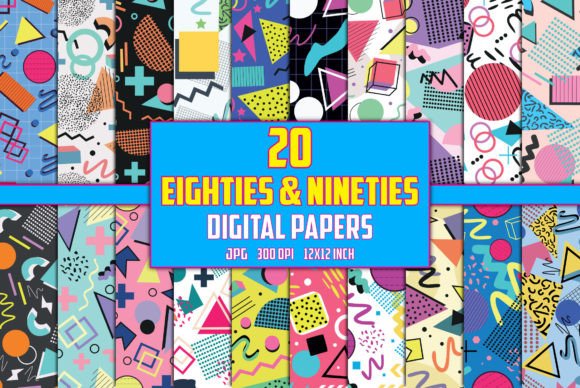
The core value of this collection lies in its balance between retro appeal and modern technical standards. With a resolution of 300 DPI and dimensions of 3600x3600 pixels (12x12 inches), these twenty JPG files offer the sharpness required for both digital screens and high-quality print materials. Understanding how to leverage these assets effectively allows professionals to tap into established cultural associations—vibrancy, boldness, and energy—without sacrificing professional polish.
Defining the Asset: Quality Meets Nostalgia
Before integrating any design element into a broader strategy, it is essential to understand the product itself. The 80s 90s Digital Paper pack is meticulously organized, containing twenty unique seamless patterns and backgrounds. Each file is sized at 50.6 MB total, ensuring rapid download times while maintaining substantial detail. The designs channel the aesthetics of the late twentieth century, characterized by vibrant neons, geometric boldness, and dynamic textures.
From a practical standpoint, the technical specifications are robust. A 300 DPI resolution ensures that whether you are printing a brochure or displaying a social media graphic, the image remains crisp. There is no pixelation, which is a common pitfall when using lower-quality free stock images. For entrepreneurs and educators alike, this reliability reduces the risk of rework and ensures that the final output reflects a high standard of quality. The seamless nature of the patterns also means they can be tiled indefinitely, making them versatile for web backgrounds, packaging design, or large-format prints.
Strategic Positioning Through Visual Identity
Design is rarely neutral; it communicates values before a single word is read. Using 80s 90s Digital Papers strategically allows brands to position themselves within specific cultural narratives. The aesthetics of the 1980s and 1990s are often associated with innovation, optimism, boldness, and a break from tradition. By incorporating these visual cues, a brand can signal that it is energetic, forward-thinking, and unafraid to stand out.
- Brand Differentiation: In crowded markets, a subtle nod to retro-futurism can differentiate a product from competitors who rely on minimalist or corporate sterile designs.
- Emotional Connection: For audiences aged 40–60, these visuals trigger genuine nostalgia, fostering trust and familiarity. For younger demographics (Gen Z), these styles are often viewed as trendy "retro" aesthetics, appealing to their desire for authenticity and vintage charm.
- Energy and Action: The vibrant neon palettes inherent in this collection naturally draw the eye. This makes them ideal for call-to-action buttons, promotional banners, or event flyers where immediate attention is required.
Practical Applications Across Industries
The versatility of these digital papers extends across various professional domains. Rather than viewing them solely as scrapbooking supplies, consider their utility in broader operational and marketing contexts.
Marketing and Content Creation
For bloggers, publishers, and content marketers, visual breaks are essential for reader retention. Using 80s 90s Digital Papers as headers, sidebars, or background textures for quotes can break up text-heavy articles, making them more digestible. A well-placed neon geometric pattern behind a key statistic can emphasize importance without distracting from the data. Furthermore, for social media campaigns targeting specific events—such as retro-themed parties, music festivals, or summer sales—these assets provide an instant thematic coherence that saves hours of custom design time.
Education and Training Materials
Educators and corporate trainers often struggle to make learning materials engaging. Traditional white backgrounds can feel dry and uninspiring. Incorporating these digital papers into slide decks, handouts, or online course modules can inject energy into the learning experience. The bold patterns help segment information visually, aiding in cognitive processing. For instance, using a distinct 90s-inspired pattern for quiz sections versus lecture notes can help students navigate the material more intuitively.
Product Packaging and Merchandising
Small business owners selling physical goods can use these high-resolution scans for mockups or actual packaging design. The 12x12 inch size is perfect for creating labels, stickers, or wrapping paper concepts. Because the resolution is print-ready, businesses can move quickly from concept to prototype. This is particularly effective for lifestyle brands, stationery companies, or apparel lines that wish to convey a sense of fun and creativity.
Planning and Integration: Avoiding Visual Clutter
While the appeal of 80s 90s Digital Papers is strong, improper application can lead to visual noise that undermines your message. Strategic use requires restraint and context. The following guidelines ensure that these assets support your goals rather than detract from them.
- Define the Hierarchy: Ensure that the digital paper serves as a background or accent, not the primary focus. Text overlaid on busy neon patterns must have sufficient contrast. Use solid color overlays or drop shadows to maintain readability.
- Maintain Brand Consistency: If your brand palette is muted or earthy, a bright neon 80s pattern may clash. Choose papers from the collection that align with your existing color scheme, or adapt the pattern’s colors via editing software to match your brand guidelines.
- Contextual Relevance: Ask yourself if the tone matches the message. These papers are excellent for casual, celebratory, or innovative contexts. They may be inappropriate for serious financial reports, legal documents, or healthcare communications where calmness and clarity are paramount.
Risks and Considerations
No design tool is without potential pitfalls. One significant risk is overuse. Relying too heavily on trendy aesthetics can date your materials quickly. While the 80s and 90s have seen a resurgence, trends cycle rapidly. To mitigate this, focus on timeless integration techniques. Use the patterns sparingly—as borders, dividers, or subtle textures—rather than dominating every page.
Another consideration is audience perception. Not all demographics respond positively to retro aesthetics. Some may perceive them as unprofessional or childish. Conducting a quick survey or A/B test with your target audience can provide valuable insights. Additionally, ensure that the cultural connotations of the specific patterns align with your brand values. Some 80s/90s motifs carry specific subcultural associations that should be understood before deployment.
Long-Term Value and Workflow Efficiency
Investing in a high-quality pack like 80s 90s Digital Paper offers long-term efficiency gains. The organization of the twenty JPG files allows for quick access during brainstorming sessions. Instead of searching for disparate clipart or designing patterns from scratch, creators can drag and drop pre-vetted, high-resolution assets into their projects. This reduction in friction accelerates the production cycle, allowing teams to focus on strategy and messaging rather than technical execution.
Furthermore, the durability of the format (JPG) and the high resolution ensure compatibility with almost all major design software, from Adobe Creative Cloud to Canva. This interoperability means the investment is not locked into a single platform, providing flexibility for freelancers and agencies who work across multiple client systems.
Conclusion
The strategic use of 80s 90s Digital Papers goes beyond mere decoration. It is a method of leveraging cultural memory and visual psychology to enhance communication, engage audiences, and streamline creative processes. By understanding the technical quality, applying the assets with contextual awareness, and maintaining brand consistency, professionals can transform these nostalgic elements into powerful tools for growth. Whether you are launching a new product, designing educational content, or refreshing a brand identity, these digital papers offer a vibrant, reliable, and impactful way to connect with your audience.